Mahā Sivarātri a Hindu festival celebrated annually in honour of the Lord Shiva. There is a Shivaratri in every luni-solar month of the Hindu calendar.On the month’s February/March, or Phalguna occuring once a year in late winter (February/March, or Phalguna) It always falls a day before the New Moon when Sun is in Kumbha Sidereal Aquarius. The 14th day of the Sun-Moon just before the new moon is Krishna Chaturdasi (K14). Referred to as Narka (Hellish) Chaturdashi, as it symbolizes sins and desires that cause rebirth.
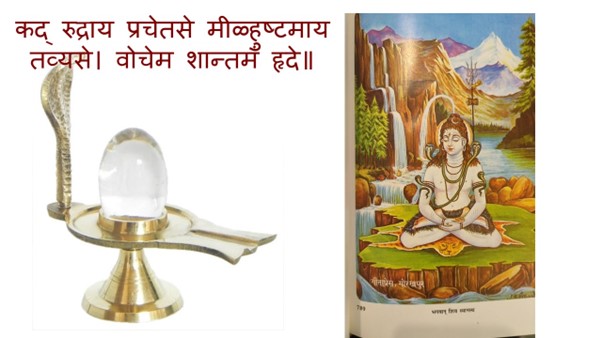
This night happens always, before the arrival of Summer, marks Maha Shivaratri which means “the Great Night of Shiva”.It wipes out a lot of problems, especially in relationships, spouse, health, power struggles and matters of financial nature.Because this was also the day when Brahma and Vishnu went into a war for power.
Nandikeśvara said:—
8-9. Arguing with each other like this, saying that each is better than the other and claiming to be the lord, they got ready to fight, like two foolish goats, desirous of killing each other.
- The two heroic deities, seated on their respective vehicles—the Swan and the Garuḍa, fought together. The attendants of Brahmā and Viṣṇu also came into clash.
- In the meantime the different groups of Devas moving about in aerial chariots came there to witness the wonderful fight.
12-18. Witnessing from the heaven they scattered flowers everywhere. The Garuḍa-vehicled deity (Viṣṇu) became infuriated and discharged unbearable arrows and many kinds of weapons on the chest of Brahmā. The infuriated Brahmā also hurled many arrows of fiery fury and different kinds of weapons on Viṣṇu. The Devas commented on this wondrous fight and were agitated much, Viṣṇu in his great fury and mental agitation breathed hard and discharged the Māheśvara weapon over Brahmā. Annoyed at this, Brahmā aimed the terrible Pāśupata weapon at the chest of Viṣṇu. The weapon rising high in the sky blazing like ten thousand suns, with thousands of terrible pointed spikes roared awfully like a gust of wind. These two weapons of Brahmā and Viṣṇu thus faced each other in a terrible clash.
- Such was the mutual fight between Brahmā and Viṣṇu.
Then, O dear, the devas in their helpless agitation and vexation talked among themselves as people do at the time of war between their monarchs.
Thus Maheshvara -Lord Shiva and Parvati had to intervene to stop this war between the two most powerful deities.
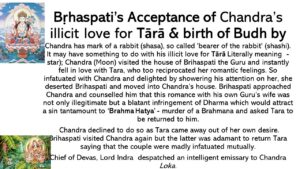
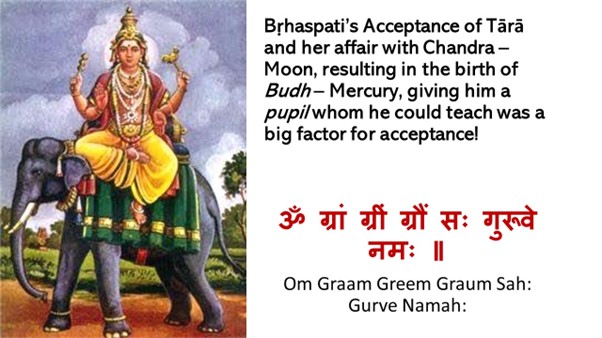
Another story goes that it is also the day when Chandra Moon God kidnapped Brihaspati Guru’s wife Tara
Thus, this day becomes very powerful remedy to balance all the tattvas and help people for creating harmony within themselves and steer clear of conflict and angst within.
Essentially the sadhana is strictly in the evening and is divided into parts/prahar of 4 depicting the 4 elements and the final part or prahar occurring after sunrise in the morning which is the final tattva ruled by Akash or Ether divine element. This corroborates with the fundamental building blocks from the Vedic Standpoint – that we are all made up of the 5 great Elements. It is explicitly stated in the Maha Shiva Purana of the Vidyeśvara-saṃhitā (the Doubt of the Sages):
“I meditate on Śiva, the lord of Ambikā (Pārvatī), auspicious from the beginning to the end, having no parallel, the noble Lord, the unaging and the undying, the lord of Ātmans, the five-faced and the dispeller of the five powerful sins. Pañcānana: In Hindu Mythology God Śiva has five faces. Pāśupata teachers had developed a special doctrine of Pañca-Brahma in which they ascribed five faces to Śiva symbolizing the five elements (Liṅga. 2. 14. 1. 33., ŚP 1. 10. 1-9). It is stated that Śiva has the form of twenty-five tattvas symbolized by his five faces.
Shiva’s body is said to consist of five mantras, called the pañcabrahmans. Each of these have their own names and distinct iconography and represent one of the 5 great elements.
- Sadyojāta
- Vāmadeva
- Aghora
- Tatpuruṣa
- Īsāna
These are represented as the five faces of Shiva and are associated in various texts with the five elements, the five senses, the five organs of perception, and the five organs of action.
Lord Shiva has five faces called Ishana, Tatpurusha, Aghora, Vamadeva and Sadyojatha. These five faces of Shiva represent the five basic elements viz. akash, air, fire, water and earth. In fact these faces can be called five forms of Shiva. Any creation has to be made out of these five gross elements.
1) The first form or face called Ishana, is the first physical form of Shiva. This form gives us pleasure that is enjoyed by our physical body. This is represented in the form of organs of hearing and speech in our body and in the form of subtle sound and the celestial sphere or akash. It may be recalled that ancient rishis got the sound of Vedas only from akash. – Jupiter
2) The second form or face is called Tatpurusha, the second physical form of the Lord. This form is identified with prakrti or the source of objectivity. This is the home of atman. This form is represented by organs of touch, organs of action, and is the subtle form of air. Saturn
3) The third form is Aghora is the third physical form of Shiva. This is identified with cosmic intellect. This form is represented by eyes, feet and dharma. This is identified with rupa or physical structure and the subtle form of fire. Mars
4) The fourth form is Vamadeva, the fourth physical form of Shiva and exists in man in the form of ego, tongue, rectum and subtle form of water. Venus
5) The next form Sadyojatha is the fifth physical form of the Lord and exists in the form of mind, organs of smell, organs of generation, and the subtle form of earth. Mercury
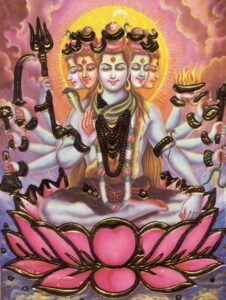
Shiva created these five gross elements, and his only other creation is Shakthi, the vimarsha form or the kinetic energy. The five faces Shiva should not be taken in literal sense and these faces represent five basic elements, five organs of action, five
organs of knowledge and pancha tanmatras.
On the day of 8th March 2024 – the 14 tithi is what is celebrated by staying awake and gets a deep connection with Shiva. If for medical and various reasons you cannot keep a fast and stay awake, that is fine. Would recommend some prayer / meditation as this is one of the most powerful times for connecting with the whole family Lord Shiva.
In the UK the timings begin as such
| Prahar | Time | Devata – form of Lord Shiva |
| 1. | 05:36 PM to 08:54 PM | Sadyojāta is earth element |
| 2. | 08:54 PM to 12:13 AM, Feb 27 | Vāmadeva is water element |
| 3. | 12:13 AM to 03:31 AM, Feb 27 | Aghora is Fire element |
| 4. | 03:31 AM to 06:50 AM, Feb 27 | Tatpuruṣa is Air element |
| 5. Final | 6:50 am conclusion | Iśāna is divine element |
PleaSE consider the time mentioned above for the corresponding Devata mantras for each prahar. And ignore the ones given against the prahar as they are approximate gudie. Main timings are the ones mentioned above.
Please check your country timings on drikpanchang.com for specific times.
-
Achamana
We slip water three times with mantra of Vishnu to cleanse ourselves.This symbolizes cleaning of Mind, Body and Soul We take some water in our right-hand palm and sip water saying these three mantras.
- ॐ केशवाय नमः |om keśavāya namaḥ
- ॐ मधवाय नमः | om madhavāya namaḥ
- ॐ गोविन्दाय नमः | om govindāya namaḥ
- Now wash your hands
2.Start with the Ganesh Mantra – Any one of your Rasi Sign will do too
ॐ गं ग्लौं गणपतये विघ्नविनाशीने स्वाहा।
om gaṁ glauṁ gaṇapataye vighnavināśīne svāhā |
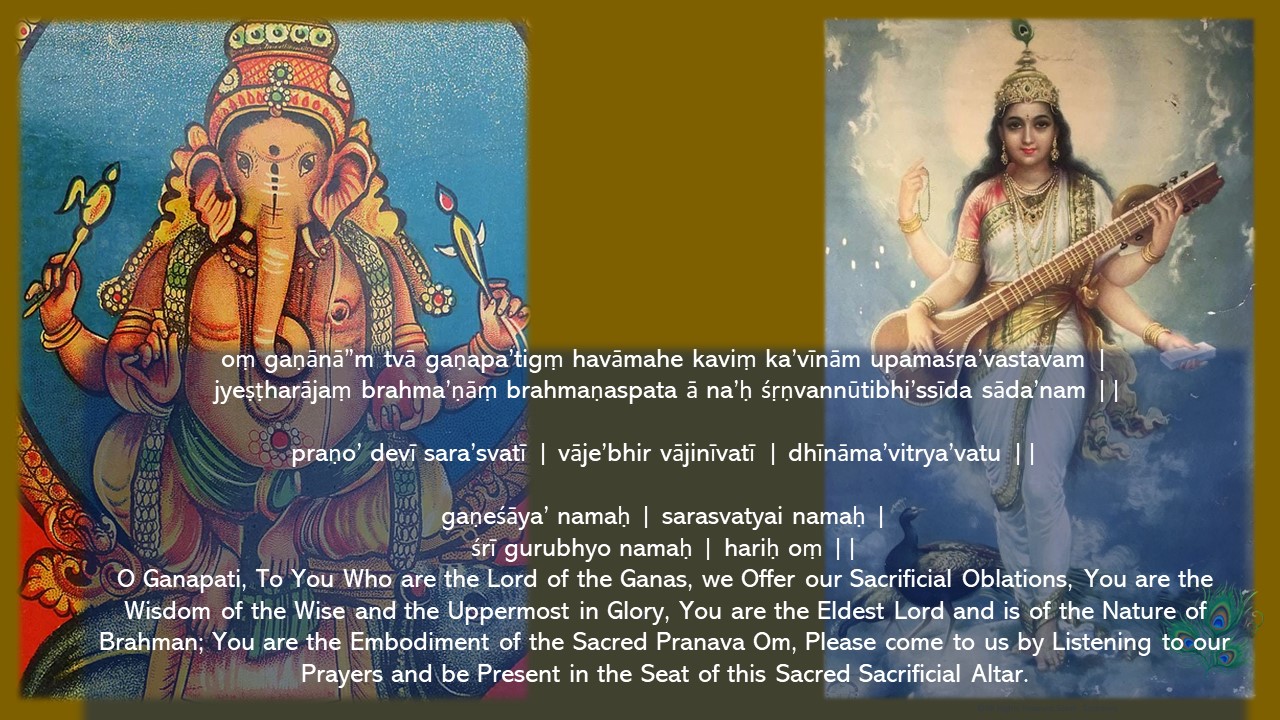
And the following prayer is offered to Ganesha the most auspicious one and the Goddess of Learning Saraswati.
oṃ gaṇānā”m tvā gaṇapa’tigṃ havāmahe kaviṃ ka’vīnām upamaśra’vastavam |
jyeṣṭharājaṃ brahma’ṇāṃ brahmaṇaspata ā na’ḥ śṛṇvannūtibhi’ssīda sāda’nam ||
praṇo’ devī sara’svatī | vāje’bhir vājinīvatī | dhīnāma’vitrya’vatu ||
gaṇeśāya’ namaḥ | sarasvatyai namaḥ |
śrī gurubhyo namaḥ | hariḥ oṃ ||
O Ganapati, To You Who are the Lord of the Ganas, we Offer our Sacrificial Oblations, You are the Wisdom of the Wise and the Uppermost in Glory, You are the Eldest Lord and is of the Nature of Brahman; You are the Embodiment of the Sacred Pranava Om, Please come to us by Listening to our Prayers and be Present in the Seat of this Sacred Sacrificial Altar.
Guru Mantra is one of the most important mantras – As without Jupiter,guru or Brihaspati, there is no one for us for guidance.
ॐ ॐ ॐ गुरुर्ब्रह्मा गुरुर्विष्णुर्गुरुर्देवो महेश्वरः
गुरुः साक्षात्परं ब्रह्म तस्मै श्रीगुरवे नमः
Om Om Om gurur brahmā gurur viṣṇur gurur devo maheśvaraḥ,
guruḥ sākṣāt paraṁ brahma tasmai śrī-gurave namaḥ.
Guru – The remover of darkness
brahmā – the creator God
viṣṇur – The sustainer God
devo maheśvaraḥ – Lord Shiva, in which everything dissolve back
sākṣāt – Direct
paraṁ brahma – Supreme Creator
tasmai śrī-gurave namaḥ – salutations to that great guru
Om, Om, Om. To that Guru who is Brahmā, the Creator, Viṣṇu, the Maintainer, and Śiva, the dissolver. To that Guru who is the direct experience of Brahman, salutations to that great guru.
Alternatively, you could do just ‘ Om Gurave namah’ 12 times
-
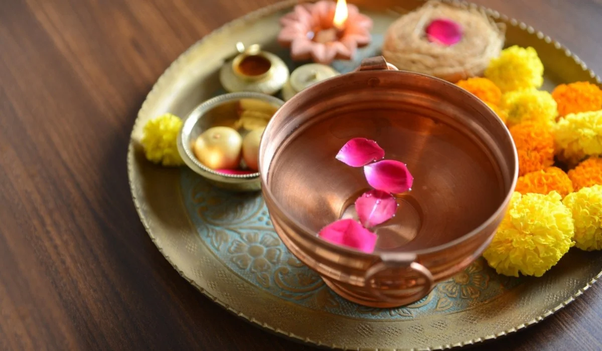
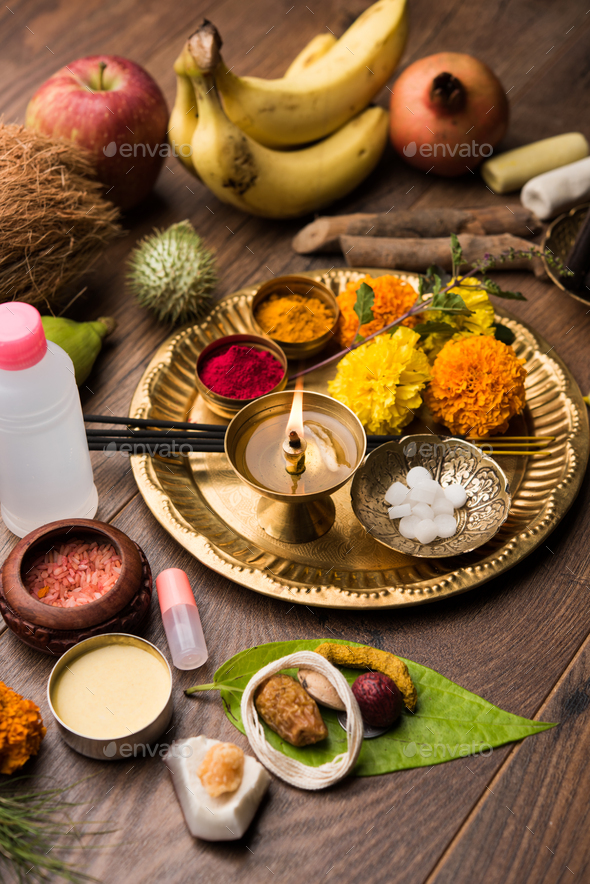
Pancha Upachar Pooja is done to pacify and cleanse the 5 tattvas Elements
We offer five elements to Shiva Linga in the following order.
- Burning Incense dhoop represents the Vayu tattva.
- Lighting a Lamp is fire element – Agni tattva
- Sandalwood Paste denotes the Earth element – Prithvi tattva
- Naivedyam food offering shows the water element – Jala tattva
Flowers – Akash tattva
4.Shiva Dhyana
्यायेत् महेश्वरं देवं स्वेतवर्णं चतुर्भुजं
त्रिशूलं डम्बरुं चैव खट्वाङ्गभे कपालजम्।
करेर्ददानं वरदं नागयज्ञोपवीतिनम्
भस्माभूषित सर्वाङ्गं पञ्चवक्त्रं त्रिलोचनम्॥
गिरिशं त्वं वृषारूढं शिवं त्वं सोमनाथं॥
dhyāyet maheśvaraṁ devaṁ svetavarṇaṁ caturbhujaṁ
triśūlaṁ ḍambaruṁ caiva khaṭvāṅgabhe kapālajam|
karerdadānaṁ varadaṁ nāgayajñopavītinam
bhasmābhūṣita sarvāṅgaṁ pañcavaktraṁ trilocanam||
giriśaṁ tvaṁ vṛṣārūḍhaṁ śivaṁ tvaṁ somanāthaṁ||
Sing the 20 syllable pañcākṣarī-gīta
ॐ नमः शिवाय शुभंशुभं कुरुकुरु शिवाय नमः ॐ
om namaḥ śivāya śubhaṁśubhaṁ kurukuru śivāya namaḥ om
-
Shanti Mantra
ॐ सर्वे भवन्तु सुखिनः सर्वे सन्तु निरामयाः ।
सर्वे भद्राणि पश्यन्तु मा कश्चिद्दुःखभाग्भवेत् ।
ॐ शान्तिः शान्तिः शान्तिः ॥
Om Sarve Bhavantu Sukhinah Sarve Santu Niraamayaah |
Sarve Bhadraanni Pashyantu Maa Kashcid-Duhkha-Bhaag-Bhavet |
Om Shaantih Shaantih Shaantih ||
1: Om, May All be Happy,
2: May All be Free from Illness.
3: May All See what is Auspicious,
4: May no one Suffer.
5: Om
Peace, Peace,Peace.
Panca Brahma – 5 faces of Shiva representing each element
| Shiva | Sadyojāta | Vāmadeva | Aghora | Tatpuruṣa | Iśāna |
| Dig | West | North | South | East | Upward |
| Tattva | Prithvi | Jala | Agni | Vayu | Akasha |
| Bija | हां
hāṁ |
हीं
hīṁ |
हूं
hūṁ |
हैं
haiṁ |
हौं
hauṁ |
| Shakti | Iccha | Kriya | Jnana | Ananda | Samba |
| Colour | White | Blood | Blue | Yellow | Sky |
Prahar 1 – Sadyojāta – Prithvi Tattva 05:54 PM to 09:02 PM
Dhyana
सद्योजातं प्रपस्द्यामि सद्योजाताय वै नमः।
भवे भवे नातिभवे भवस्व मां भवोद्भवाय नमः॥
sadyojātaṁ prapasdyāmi sadyojātāya vai namaḥ |
bhave bhave nātibhave bhavasva māṁ bhavodbhavāya namaḥ ||
Mantra 2
ॐ लं सद्योजाताय नमः। om laṁ sadyojātāya namaḥ x 5 malas
Mantra 3
ॐ नं नमः शिवाय। om naṁ namaḥ śivāya | x5 malas
2,Vāmadeva – Jala Tattva 09:02 PM to 12:10 AM, Mar 9
Vamadeva mantra 1
वामदेवाय नमो ज्येष्ठाय नमो रुद्राय
नमः कालाय नमः कालविकर्णाय नमो बलाय नमो बलप्रमथनाय
नमः सर्वभूतदमनाय नमो नमोन्मनाय नमः
vāmadevāya namo jyeṣṭhāya namo rudrāya
namaḥ kālāya namaḥ kālavikarṇāya namo balāya namo balapramathanāya
namaḥ sarvabhūtadamanāya namo namonmanāya namaḥ
Mantra 2
ॐ वं वामदेवाय नमः। om vaṁ vāmadevāya namaḥ x5 malas
Mantra 3 Pancha Panchaksari Mantra
ॐ मं नमः शिवाय। om maṁ namaḥ śivāya | x 5 malas
3.Prahar 3 Aghora – Agni Tattva 12:10 AM to 03:19 AM, Mar 09
Aghora Mantra 1
ओं अघोरेभ्योथ घोरेभ्योघोरघोरतरेभ्यः।
सर्वेभ्यः सर्वसर्वेभ्यो नमस्तेस्तु रुद्ररूपेभ्यः।
oṁ aghorebhyotha ghorebhyoghoraghoratarebhyaḥ |
sarvebhyaḥ sarvasarvebhyo namastestu rudrarūpebhyaḥ |
Aghora mantra 2
ॐ रं अघोराय नमः | om raṁ aghorāya namaḥ
Shiva Panchaksari Mantra 3
ॐ शिं नमः शिवाय। om śiṁ namaḥ śivāya |
4.Prahar 4th – Tatpuruṣa – Vayu Tattva 03:19 AM to 06:27 AM, Mar 09
Tatpuruṣa Mantra 1 तत्पुरुषाय विद्महे महादेवाय धीमहि।
तन्नो रुद्रः प्रचोदयात्
tatpuruṣāya vidmahe mahādevāya dhīmahi |
tanno rudraḥ pracodayāt
Tatpuruṣa Mantra 2
ॐ यं तत्पुरुषाय नमः। om yaṁ tatpuruṣāya namaḥ| x5 malas
Shiva Panchaksari Mantra 3
ॐ वं नमः शिवाय। om vaṁ namaḥ śivāya | x 5 malas
Concluding Prahar in the morning – 9th March 6:30 am in the morning – Iśāna – Akash Tattva
We worship Iśāna at the last as He brings indicates harmony and balances all tattvas elements. And he is the ether divine element which binds all. This as to be done at the time of Sunrise. We light a lamp and any Stotra of Shiva. We again offer Naivedhyam
Ideal is offer homemade sweets (Kheer) and fruits of five kind.
Fist we do the Iśāna Mantra and at the last we worship Gauri Sankara.
After this we break the all night and day fast.
- Iśāna Mantra
ईशानः सर्वविद्यानामीश्वरः सर्वभूतानां
ब्रह्माधिपतिर्ब्रह्मा शिवो मेस्तु सदा शिवोम्
īśānaḥ sarvavidyānāmīśvaraḥ sarvabhūtānāṁ
brahmādhipatirbrahmā śivo mestu sadā śivom
- Iśāna Mantra 2
ॐ हं ईशानाय नमः। om haṁ īśānāya namaḥ| x5 times
3.Shiva Panchaksari
ॐ यं नमः शिवाय। om yaṁ namaḥ śivāya |
4.Shiva Panchakshari Stotra
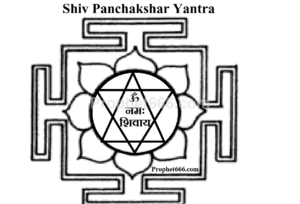
नागेन्द्रहाराय त्रिलोचनाय
भस्माङ्गरागाय महेश्वराय ।
नित्याय शुद्धाय दिगम्बराय
तस्मै नकाराय नमः शिवाय ॥१॥
nāgendrahārāya trilocanāya
bhasmāṅgarāgāya maheśvarāya .
nityāya śuddhāya digambarāya
tasmai nakārāya namaḥ śivāya ..1..
He who has the king of snakes as his garland and who has three eyes,
He whose body is smeared with sacred ashes and who is the great Lord,
He who is eternal, who is ever pure with the four directions as his clothes,
Salutations to that Shiva, who is represented by the syllable “na”
मन्दाकिनीसलिलचन्दनचर्चिताय
नन्दीश्वरप्रमथनाथमहेश्वराय ।
मन्दारपुष्पबहुपुष्पसुपूजिताय
तस्मै मकाराय नमः शिवाय ॥२॥
mandākinī salila candana carcitāya
nandīśvara pramathanātha maheśvarāya .
mandāra puṣpa bahupuṣpa supūjitāya
tasmai makārāya namaḥ śivāya ..2..
He who is worshipped with water from the Mandakini River and smeared with sandal paste,
He who is the lord of Nandi and of the ghosts and goblins, the great Lord,
He who is worshipped with Mandara and many other flowers,
Salutations to that Shiva, who is represented by the syllable “ma”
शिवाय गौरीवदनाब्जवृन्दसूर्याय
दक्षाध्वरनाशकाय ।
श्रीनीलकण्ठाय वृषध्वजाय
तस्मै शिकाराय नमः शिवाय ॥३॥
śivāya gaurī vadanābja vṛnda sūryāya
dakṣādhvara nāśakāya .
śrīnīlakaṇṭhāya vṛṣadhvajāya
tasmai śikārāya namaḥ śivāya ..3..
He who is auspicious and who is like the newly risen sun causing the lotus-face of Gauri to blossom,
He who is the destroyer of the sacrifice of Daksha,
He who has a blue throat and has a bull as his emblem,
Salutations to that Shiva, who is represented by the syllable “shi”
वशिष्ठकुम्भोद्भवगौतमार्यमूनीन्द्रदेवार्चितशेखराय ।
चन्द्रार्कवैश्वानरलोचनाय
तस्मै वकाराय नमः शिवाय ॥४॥
vaśiṣṭha kumbhodbhava gautamārya mūnīndra devārcita śekharāya .
candrārka vaiśvānara locanāya
tasmai vakārāya namaḥ śivāya ..4..
He who is worshipped by the best and most respected sages – Vasishtha, Agastya and Gautama, and also by the gods, and who is the crown of the universe,
He who has the moon, sun and fire as his three eyes,
Salutations to that Shiva, who is represented by the syllable “va”
यज्ञस्वरूपाय जटाधराय
पिनाकहस्ताय सनातनाय ।
दिव्याय देवाय दिगम्बराय
तस्मै यकाराय नमः शिवाय ॥५॥
yajñasvarūpāya jaṭādharāya
pinākahastāya sanātanāya .
divyāya devāya digambarāya
tasmai yakārāya namaḥ śivāya ..5..
He who is the embodiment of yagna (sacrifice) and who has matted locks,
He who has the trident in his hand and who is eternal,
He who is divine, who is the shining one and who has the four directions as his clothes,
Salutations to that Shiva, who is represented by the syllable “ya”
पञ्चाक्षरमिदं पुण्यं यः पठेच्छिवसंनिधौ ।
शिवलोकमावाप्नोति शिवेन सह मोदते ॥६॥
pañcākṣaramidaṃ puṇyaṃ yaḥ paṭhecchiva saṃnidhau .
śivalokamāvāpnoti śivena saha modate ..6..
He who recites this Panchakshara near Shiva,
Will attain the abode of Shiva and enjoy bliss.
https://www.youtube.com/watch?v=NHBJn0KxWbU
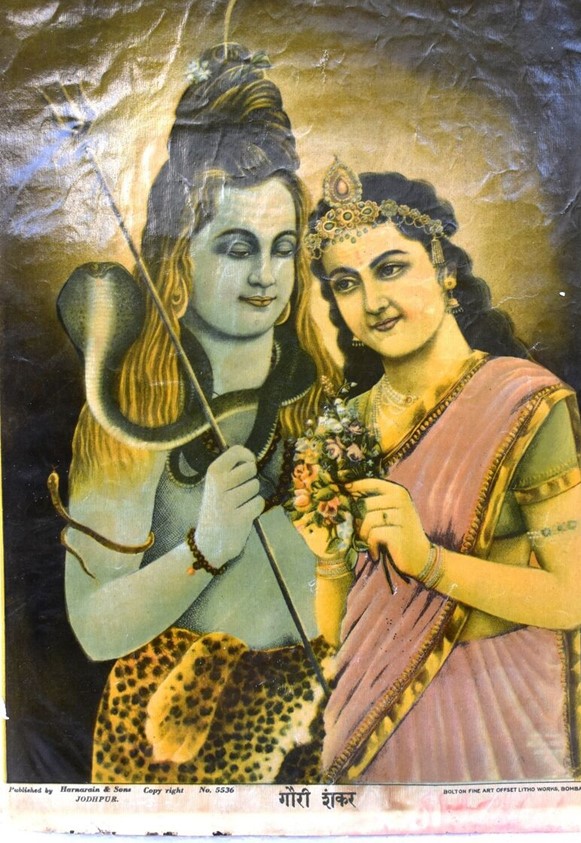
Goddess Gauri is consort of Lord Shiva and is her Shakti too. One who worships Gauri Sankar sustains his samsara and moves towards moksha.
This is a beautiful mantra of tulsidas’s and is related to healing a lot of problems in relationships, especially with long-term intimate ones.
ॐ नमः शिवाय गौरी शंकराय |
om namaḥ śivāya gaurī śankarāya
ॐ नमः शिवाय गौरी शंकराय माहादेवाय नमो नमः।
मदनान्तकाय मुक्तीप्रदाय श्रिमद्शंकराय नमो नमः॥
om namaḥ śivāya gaurī śaṁkarāya māhādevāya namo namaḥ |
madanāntakāya muktīpradāya śrimadśankarāya namo namaḥ ||
A few important points on Rudrākṣa
Its is said, that Rudrākṣa – is rud to cry and Raksa is protect and is said to be Lord Shiva Himself
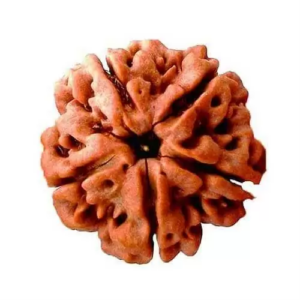
From Devi Bhagvatam Purana On the greatness of the Rudrākṣam
1-11. Nārada said :– O Sinless one! The greatness of the Rudrākṣa seed that you have described is verily such. Now I ask why is this Rudrākṣam so much entitled to worship by the people. Please speak clearly on this point.
Nārāyaṇa spoke :– O Child! This is the very question that was asked once by Kārtika, the sixfaced One, to Bhagavān Rudra, dwelling in Kailāśa. What He replied, I say now. Listen.
Rudra Deva spoke :– O Child Ṣaḍānana. I will dwell briefly on the secret cause of the greatness of the Rudrākṣa seed. Hear. In days of yore, there was a Daitya called Tripurā who could not be conquered by any body. Brahmā, Viṣṇu and the other Devas were defeated by him. They then came to Me and requested Me to kill the Asura. At their request, I called in my mind the Divine Great weapon, named Aghora, beautiful and terrible and containing the strength of all the Devas, to kill him. It was inconceivable and it was blazing with fire.
For full divine one thousand years I remained awake with eyelids wide open in thinking of the Aghora weapon, the destroyer of all obstacles, whereby the killing of Tripurāsura might be effected and the troubles of the Devas be removed. Not for a moment my eyelids dropped. There by my eyes were affected and drops of water came out of my eyes. Note here. How enemies are to be killed. It requires great thought, great concentration, great yoga and great powers. O Mahāsena! From those drops of water coming out of my eyes, the great tree of Rudrākṣam did spring for the welfare of all. This Rudrākṣa seed is of thirty-eight varieties. From My Sūrya Netra, i.e., My right eye, symbolizing the Sun, twelve yellow coloured (Piṅgala colour) varieties have come; and from my left eye representing the Moon, the Soma Netra, sixteen varieties of white colour and from my third eye on the top, representing Fire, i.e., the Agni Netra, ten varieties of black colour have come out. Of these the white Rudrākṣams are Brāhmins and they are used by the Brāhmaṇas; the red coloured ones are the Kṣattriyas and should be used by the Kṣattriyas and the black ones are Śūdras and should be used by the Vaiṣyas and the Śūdras.
Various kinds of Rudrākṣa
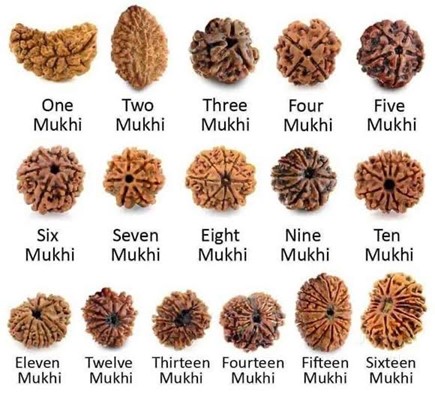
Vidyeshwarsamhita states
- He is a favourite of the five deities (Sun, Goddess Durga, Ganesha, Vishnu and Rudra) favourite of all gods. O beloved, a devotee shall repeat all mantras wearing a garland of Rudraksas ( or counting on the
- Even the devotees of Vishnu and other deities shall unhesitatingly wear the Rudraksa. Especially the devotee of Rudra shall wear Rudraksha always.
- Rudraksha are of various types. I shall explain their different classifications. O Parvati, hear with great devotion. These Rudraksas bestow worldly pleasures and salvation.
- A Rudraksa of a single face is Siva Himself. It bestows worldly pleasures and salvation. The sin of brahmin-slaughter is washed off at its mere sight.
- Where it is adored, Fortune cannot be far off. Harms and harassments perish. All desires are fulfilled.
- A Rudraksa with two faces is Isa, the lord of devas. It bestows the fulfilment of all desires. Especially, that Rudraksa quickly quells the sin of cow-slaughter.
- A Rudraksa with three faces always bestows means of enjoyment. As a result of its power all lores become firmly established.
- A Rudraksa of four faces is Brahma Himself. It quells the sin of manslaughter. Its vision and its contact instantaneously bestow the achievement of the four aims of life.
- A Rudraksa with five faces is Rudra Himself. Its name is kalagni. It is lordly. It bestows all sorts of salvation and achievement of all desired objects.
- A five-faced Rudraksa dispels all sorts of sins such as accrue from sexual intercourse with a forbidden woman and from eating forbidden food.
- A Rudraksa with six faces is Kartikeya. A man who wears it on the right arm is certainly absolved of the sins of brahmin-slaughter and the like.
- A Rudraksa with seven faces, O MaheSani, is called Anahga. O DevesI, by wearing it even a poor man becomes a great lord.
A Rudraksa with eight faces is called Vasumurti and Bhairava. By wearing it a man lives the full span of life. After death he becomes the Trident-bearing lord (Siva).
- A Rudraksa with nine laces is also Bhairava. Its sage is Kapila. Its presiding goddess is Durga of nine forms, Mahesvari Herself.
- That Rudraksa shall be worn on the left hand with great devotion. He shall certainly become Sarvesvara like me.
- O Mahesani, a Rudraksa with ten faces is Lord Janardana Himself. O DeveSl, by wearing it, the devotee shall achieve the fulfilment of all desires.
- O ParameSvarl, a Rudraksa with eleven faces is Rudra. By wearing it one becomes victorious everywhere.
- One shall wear the twelve-faced Rudraksa on the hair of the head. All the twelve Adityas (suns) are present therein.
- A Rudraksa with thirteen faces is Visvedeva. By wearing it, a man will attain the realisation of all desires. He will derive good fortune and auspiciousness.
- A Rudrak?a with fourteen faces is the highest Siva. It shall be worn on the head with great devotion. It quells all sins.
81 . O daughter of the king of mountains, thus I have explained to you the different types of Rudraksas based on the number of faces. Please listen to the mantras with devotion.
The Below mantra has to be chanted everytime the rudraksha of a particular Mukhi is worm…
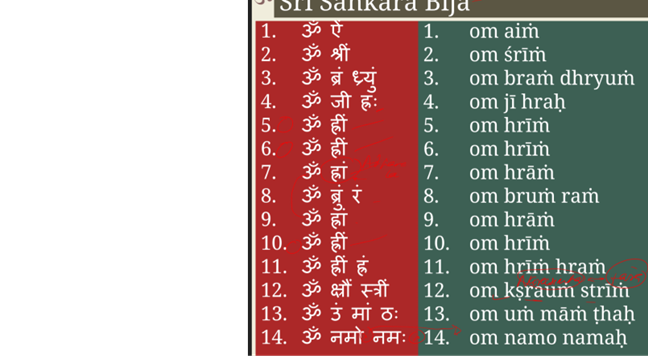
Credit Pandit Sanjay Rath Shiva Maha Purana Course
- He who applies ash and wears Rudrak§a is called a devotee of Siva. A person devoted to the Japa of the five syllabled mantra is a perfect and noble being.
- If Mahadeva is worshipped without the Tripupdra of ash and without the garland of Rudraksa, he does not bestow the fruit of cherished desire.
- Thus, O lord of sages, whatever has been asked has now been explained. The greatness of ash and Rudraksa bestows the luxuriant fulfilment of all desires.
- He who regularly listens to the highly auspicious greatness of ash and Rudraksa with devotion shall attain the fulfilment of all desires.
- He will enjoy all happiness here. He will be blessed with sons and grandsons. In the next world he will attain salvation. He will be a great favourite of Siva.
95. O lordly sages, thus the compendium of Vidyrfvara-samhita has been narrated to you all. As ordered by Siva it bestows achievement of everything and salvation